
Living in West Jordan and the Greater Salt Lake City area means we get to enjoy beautiful seasons, but it also means our homes face some tough weather. After a big storm, most homeowners step outside, look up at their roof, and if they don’t see missing shingles or a fallen tree limb, they breathe a sigh of relief.
However, hail is a "silent" threat. It often leaves behind bruises and cracks that you can’t see from the driveway, which can lead to expensive leaks down the road. Learning how to spot these hidden signs early can save you a lot of stress and money.
If a recent storm has you worried about your home’s safety, don't wait for a leak to appear. Contact the friendly team at Total Home Exteriors today at (385) 380-3908 or fill out our online contact form for a professional look at your roof.
Why Hail Damage Is So Hard to See
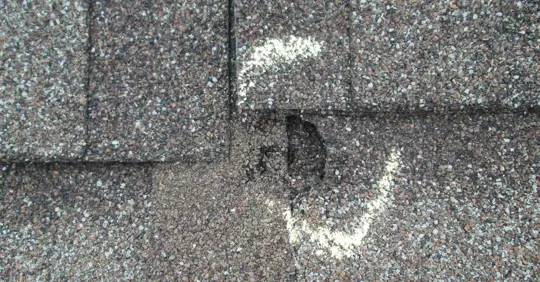
Hail doesn't always break things right away. Instead of shattering a shingle, a hailstone often creates a "bruise." Imagine dropping a golf ball on a piece of fruit; the skin might look okay at first, but underneath, the structure is damaged. On your roof, this impact knocks away the small, sand-like pebbles called granules.
These granules are actually your roof's first line of defense. They protect the asphalt layer from the sun’s harsh rays. When they are gone, the sun dries out the shingle, making it brittle. Over time, that spot will crack and allow water to seep into your home.
- Hail damage is often circular or "D" shaped.
- Damage can be as small as a dime or as large as a soft ball.
- Hidden damage may take months or even a year to turn into a visible leak.
Start at Ground Level: Checking Your Yard
You don’t need to climb a ladder to find the first clues of hail damage. In fact, we recommend staying safely on the ground and looking at the softer parts of your property first. If the hail was strong enough to dent metal or plastic at eye level, it likely did the same to your roofing system.
Check these areas around your yard:
- Downspouts: Inspect the bottoms of your metal downspouts for small dents.
- Garage Doors: Aluminum garage doors often show "pockmarks" from hail strikes.
- Window Screens: Check for small tears or holes in the mesh.
- Patio Furniture: Look for cracked plastic or chipped paint on metal chairs and tables.
Inspecting Your Gutters and Vents
Your gutters act like a scrapbook of everything that happens on your roof. After a storm, take a peek inside your gutter troughs. If you see a large amount of colorful sand or granules piled up, it’s a major red flag. This means the hail has scrubbed the protective coating off your shingles.
Next, look up at the metal "accessories" on your roof. These are often made of thinner material than your shingles and show damage much more clearly.
- Roof Vents: Look for dents on the metal hoods protruding from your roof.
- Flashing: The metal sheeting around chimneys or in roof valleys; check it for small dings.
- Soft Metals: Look at the "drip edge" (the metal trim along the edge of your roof) for signs of impact.
If you notice these signs, it is a good idea to have a storm damage assessment to ensure your attic stays dry.
Identifying Damage on the Shingles
If you can safely see your shingles, look for specific patterns. Professionals call this "functional damage." It’s not just about how the roof looks, but also how well it still keeps water out.
On a standard asphalt shingle roof, look for:
- Black Spots: When granules are knocked off, the dark asphalt underneath is exposed. These often look like black "bruises."
- Soft Spots: If you were to touch the bruise (which we recommend leaving to a pro), it would feel soft, like a bruised apple.
- Cracks: Sometimes the impact is so hard it creates a circular crack that goes all the way through the shingle.
- Shiny Spots: Sometimes the hail hits so hard it exposes the fiberglass mat underneath, which can look shiny or metallic in the sun.
Because these signs can be subtle, catching them early is the best way to handle roof repair before the next rainy season begins.
The Danger of Waiting Too Long
It is tempting to ignore a few missing granules, especially if you don't see water dripping from your ceiling. However, a "bruised" roof is a ticking clock. Once the waterproof layer is compromised, every rainstorm allows a little more moisture to soak into the wood decking beneath your shingles.
This moisture can lead to:
- Mold and Mildew: Damp attics are ideal environments for mold to grow, which can affect your family's health.
- Wood Rot: The plywood under your shingles can rot, making the roof soft and dangerous to walk on.
- Higher Energy Bills: If your insulation gets wet, it loses its ability to keep your home warm in the winter and cool in the summer.
Repairing a leak when it is small is much easier on your schedule and wallet than waiting for a major failure.
Trust Your Home to Local Experts
Identifying hail damage requires a trained eye and the right safety equipment. While checking your downspouts and yard is a great first step, a professional inspection provides the peace of mind that comes from knowing exactly what is happening on your roof. At Total Home Exteriors, we take pride in helping our neighbors in West Jordan navigate the aftermath of Utah's unpredictable weather. We focus on giving you honest information so you can make the best decision for your family.
If you suspect your roof took a hit during the last storm, let us help you find those hidden issues before they become big headaches. Contact Total Home Exteriors at (385) 380-3908 or visit our roofing page to learn more about how we can protect your home. We are here to provide clear answers and reliable support for all your exterior needs.